
It Takes a Covey
Choosing love over anger is hard, but it's what makes us (human and animal alike) fully ourselves.

Last autumn, I fell a wee bit behind in collecting quail eggs from the various coveys. Cade appropriately chastised me for this dereliction then candled the eggs and found that several were developing. So, of course, they went into the incubator, because we're no-cull kind of people.
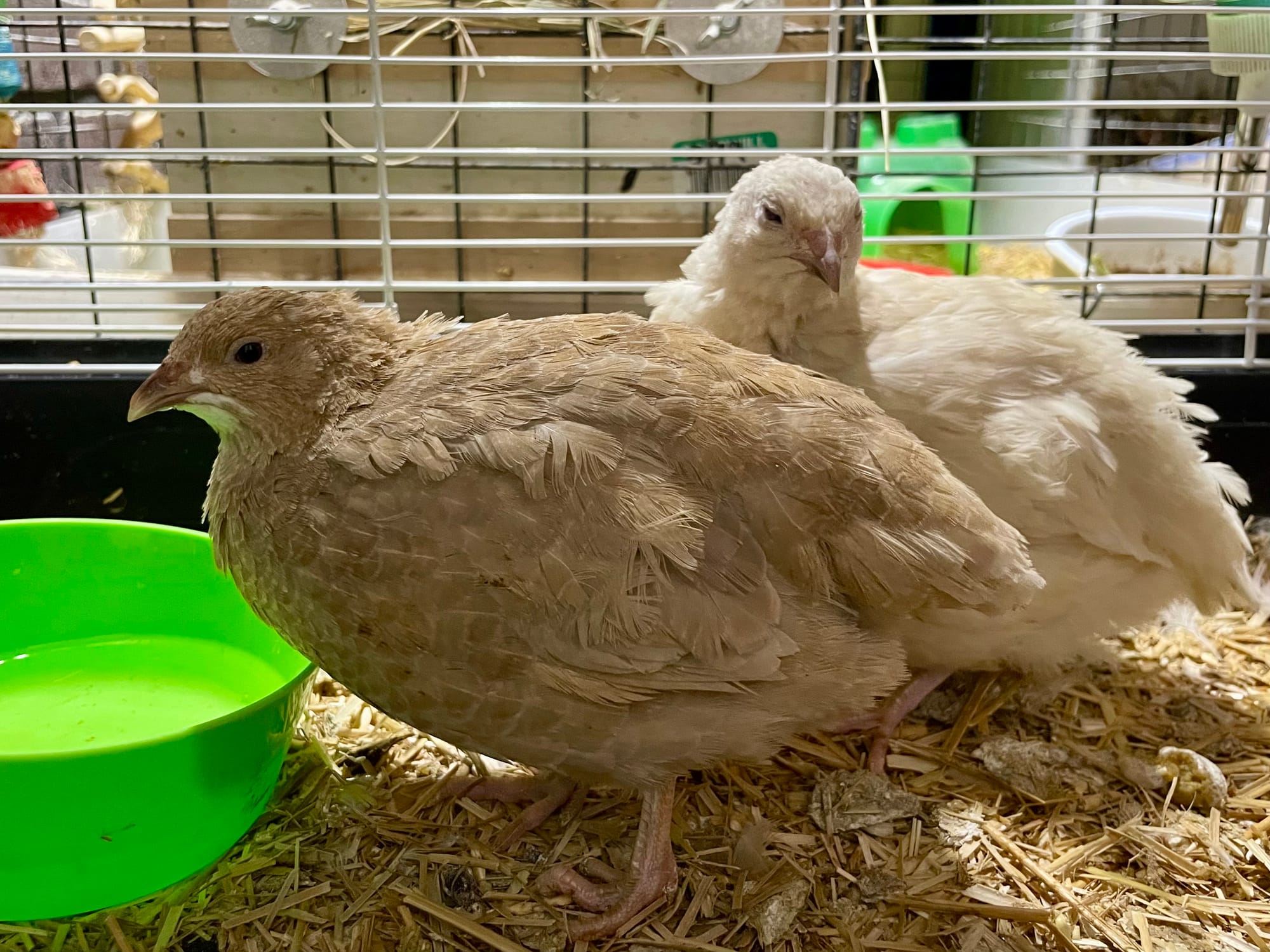
Faline – our ambassador hen – was the mother of many of those eggs. Hers developed because she brooded her eggs, which is a relatively uncommon behavior in domesticated hens. She also possesses the celadon gene, so her eggs are distinctively blue. Long story short, most of the eggs hatched but most of the celadon chicks died within 12 hours, because they all inherited the "lethal white" gene. We were not aware she carried it, but we knew that the roo in her covey did.
The lethal gene is a nasty business. It's predictable but only a problem when the eggs are homozygous for it. Of the eight or nine eggs with the gene, only one survived to adulthood: a male named Dove. He is a sweet, timid boy.
Dove has recently lost his vision. At the same time, we took Faline to the vet because she had a pronounced limp. She recovered completely but while she convalesced we put her in isolation with Cade's half of the flock. Given space constraints, and the fact that Dove was being aggressively picked-on for his new disability, Cade had no choice but to temporarily house Dove and Faline together.
The results were nothing short of beautiful.
The birds don't know they're related, of course. But they've absolutely bonded. They sleep side-by-side and coo softly to each other. They go together to food and water so he knows where each is. They do not appear to be mating. Rather, they're just together.
That's not typical quail behavior. Even in captivity, quail are both "dumb and fragile" and they will aggressively peck other birds who appear to be injured. Scalpings are not uncommon (we've treated one severe scalping and two mild ones) as well as pecked eyes. So seeing Faline treat her grandson with the same gentle affection we'd expect to see a human grandmother treat her disabled grandson is nothing short of awe-inspiring.
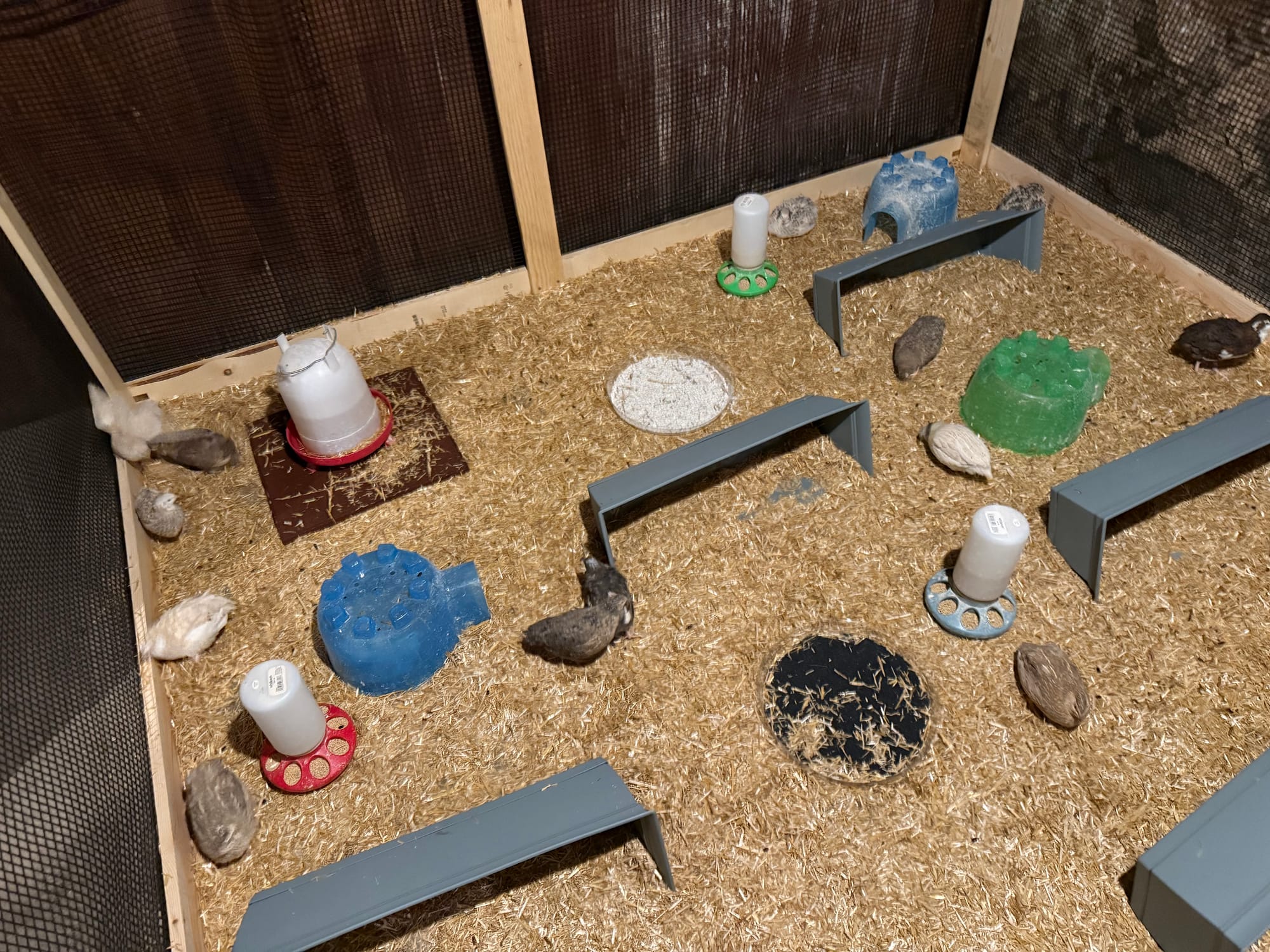
Our birds live the life of luxury, with plenty of space and twice-daily observation for food, water, and injury. They have setups big enough so they can run and hide. The ordinary standard for quail husbandry is one bird per square foot minimum, and two square feet for maximal comfort; the birds in my aviary enjoy 2.75 square feet per baby dinosaur. So perhaps not having resource pressure helps.
But still. When you spend time with animals, and really start to tease out personalities and behaviors, you will find many instances where "the law of the jungle" that so many seem to adore breaks down in real-world contexts. Because, with our critters, Faline's ministrations are just one piece of the puzzle:
- Cade's gelding Oliver seems to sense Cade's moods and becomes soft and gentle when Cade just needs to hug him, even when the other geldings seem a bit elevated.
- Kali d'Cat took more interest in grooming Theon when he first started ailing with hypothyroid disorder. She stopped when he recovered. Theon got a lot of mats at the time, but it would have been worse had she not helped him.
- Of my "three amigos" – Po, Tater, & Spud, the elderly rats – I once saw Po bring Spud a dried piece of fruit instead of eating it himself or hiding it. Spud had been laying on his little bed and missed the initial feeding frenzy.
Humans pride themselves on being uniquely selfless moral creatures. But spend enough time with animals, and you might learn a thing or two. Regardless of what justifications one could make about the behaviors I've observed, the world is richer and more complicated than bright-line rules suggest.
And in any case, I've seen enough disappointing human behavior in the last few months to poke big holes in any sort of "enlightened human" behavior. Whether it's emotional cruelty within families, or the anger that comes from aging without a purpose, or the division that comes from appropriating mental-health language as a cudgel, humans aren't perfect.
What is perfect? Love. Charity. Caring for one another.
In a world marked by suffering and pain and fear, be like Faline.
In Other News
A few tidbits since my last update.
On the animal front:
- Arthur d'Snek passed away. He was only with me for six months, but he was a cool dude. He was very, very old and came to me to live out his days. I wish there were more of them.
- Hera d'Snek has come to Paris. She was the last of a group of rescued reptiles from a hoarder. She is now fat, happy, and peaceful.
- Fiona is adapting to life without her brother Murphy.
- Theon has recovered quite well from his one-two punch of a new onset of hypothyroid disorder and a significant GI infection. We learned that he has severe congenital deformities (heart is twisted, aorta runs toward the spine, extra tubes off his esophagus, &c) that make him our miracle kitty.
- We've welcomed Bolt the Colt into the herd – he's Cade's newest buddy.
- Henrietta the quail passed away.
- We finally finished the aviary for the quail and moved them into their luxury accommodations.
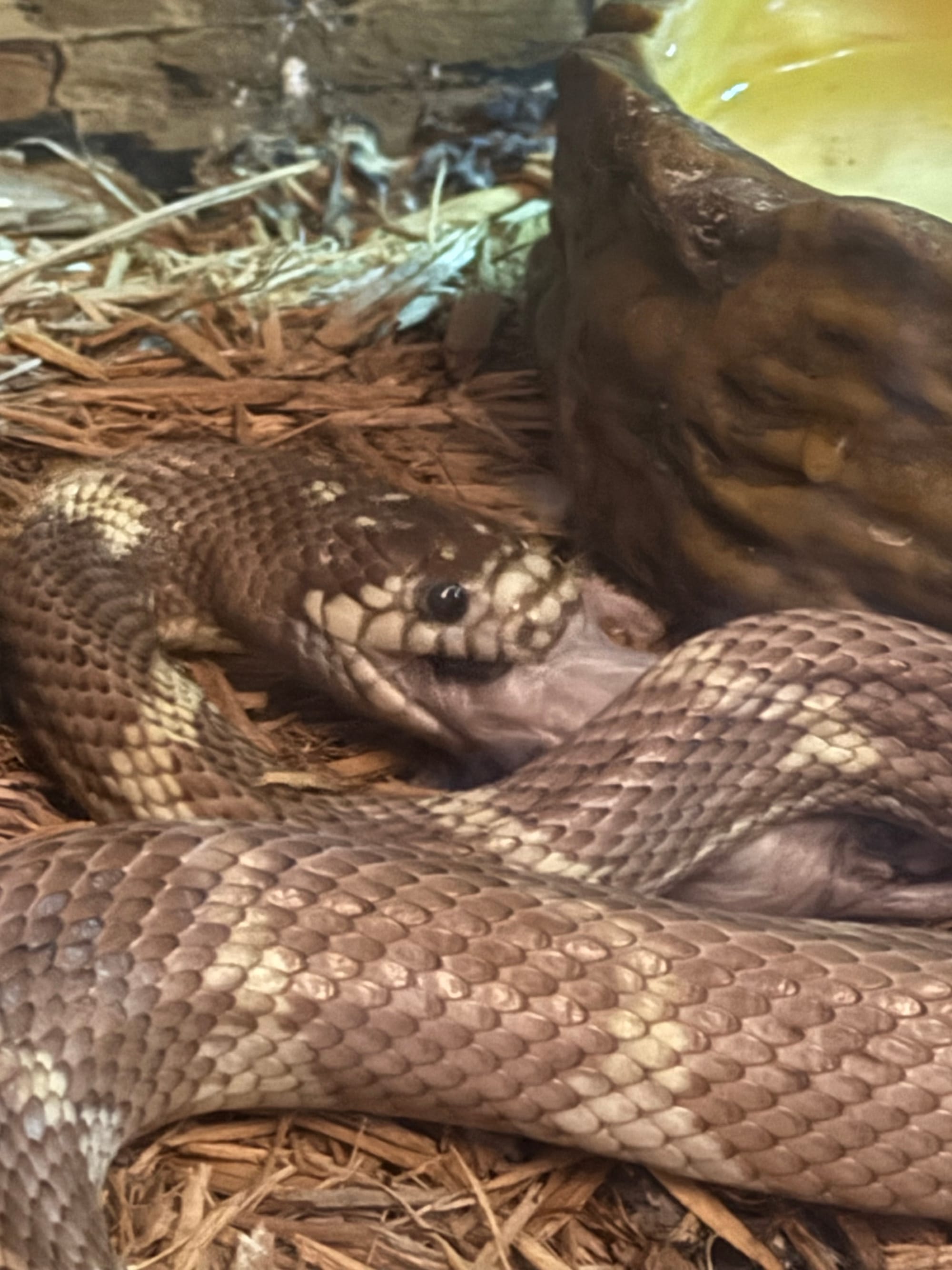
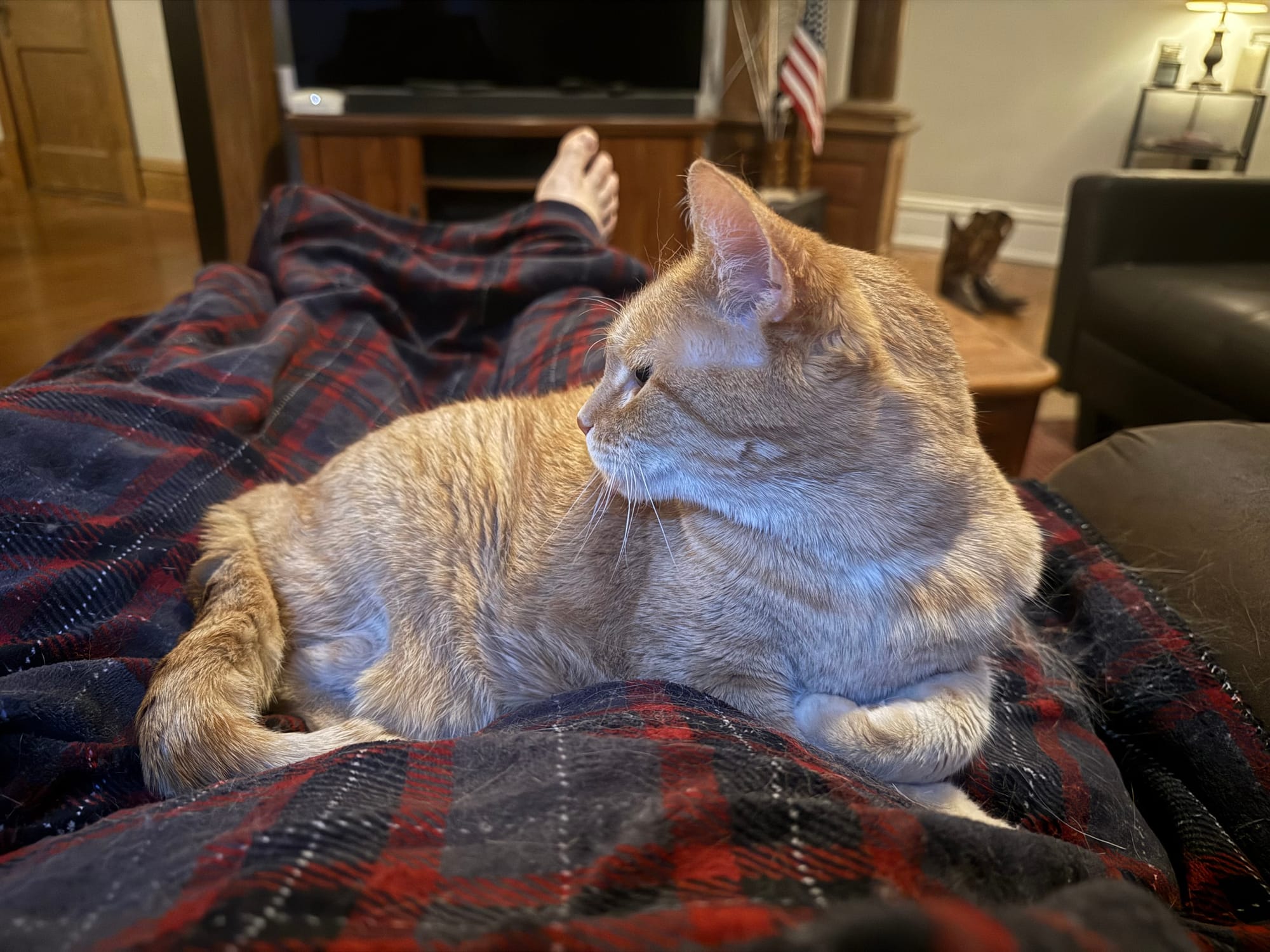
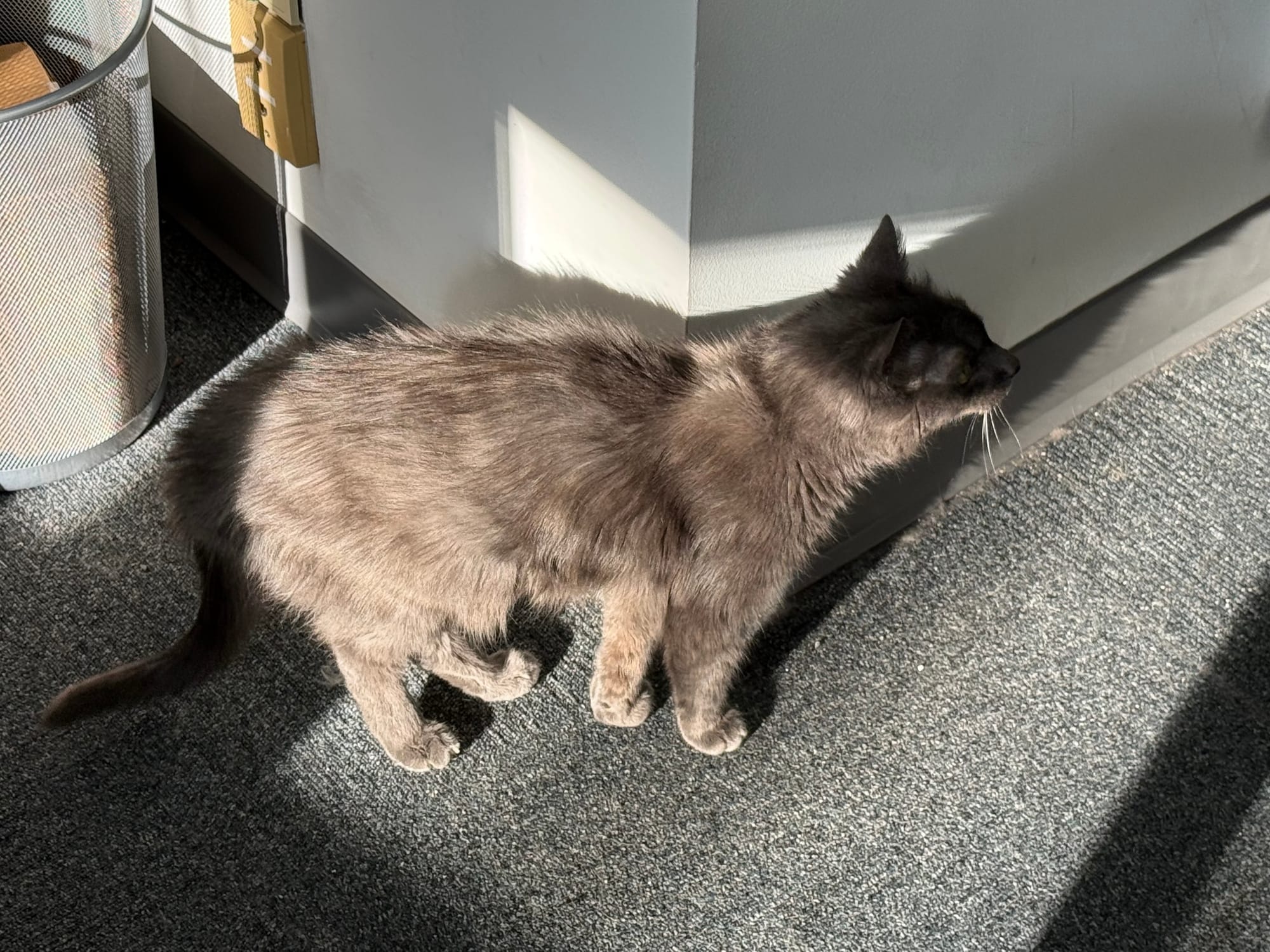
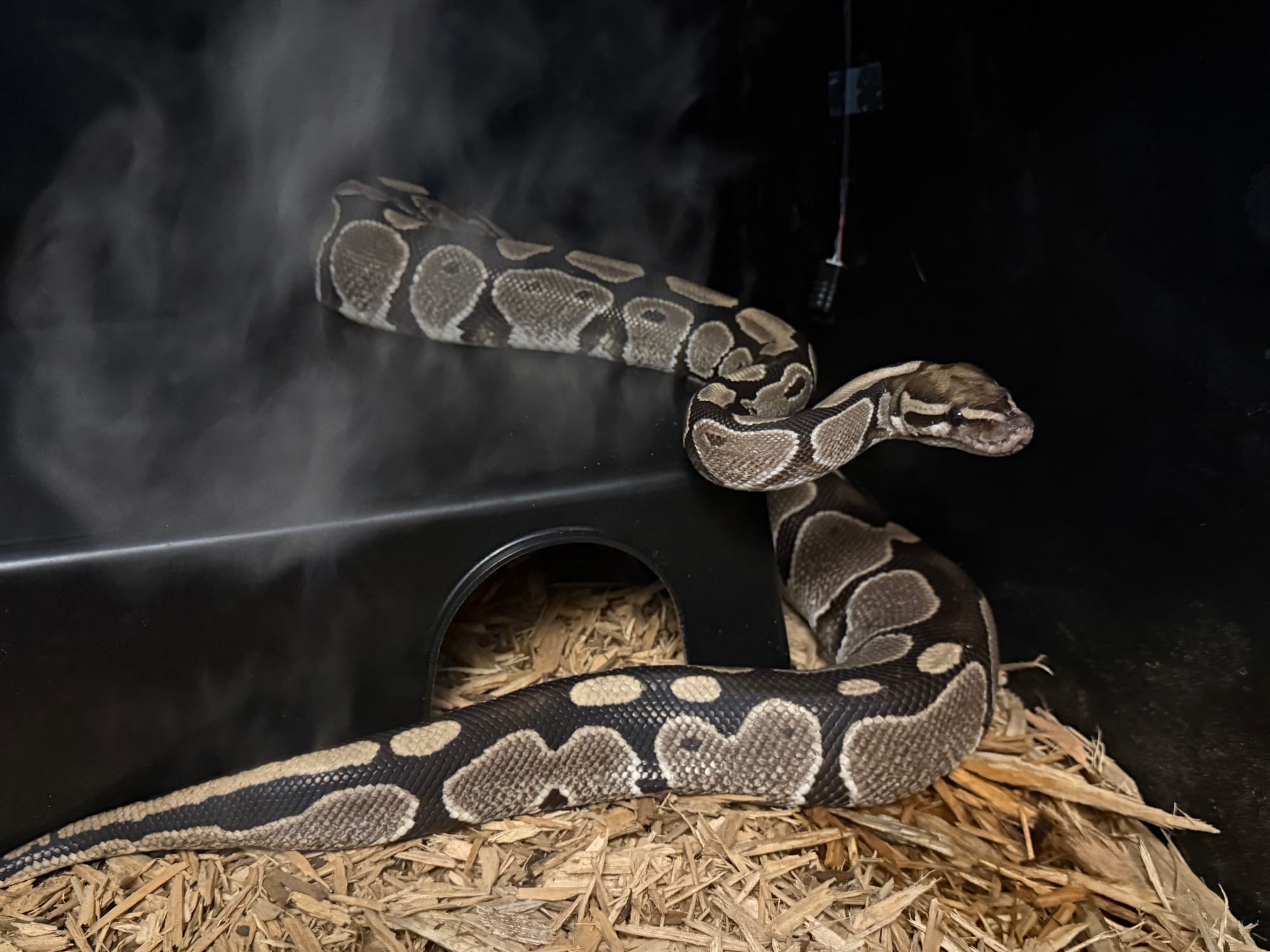
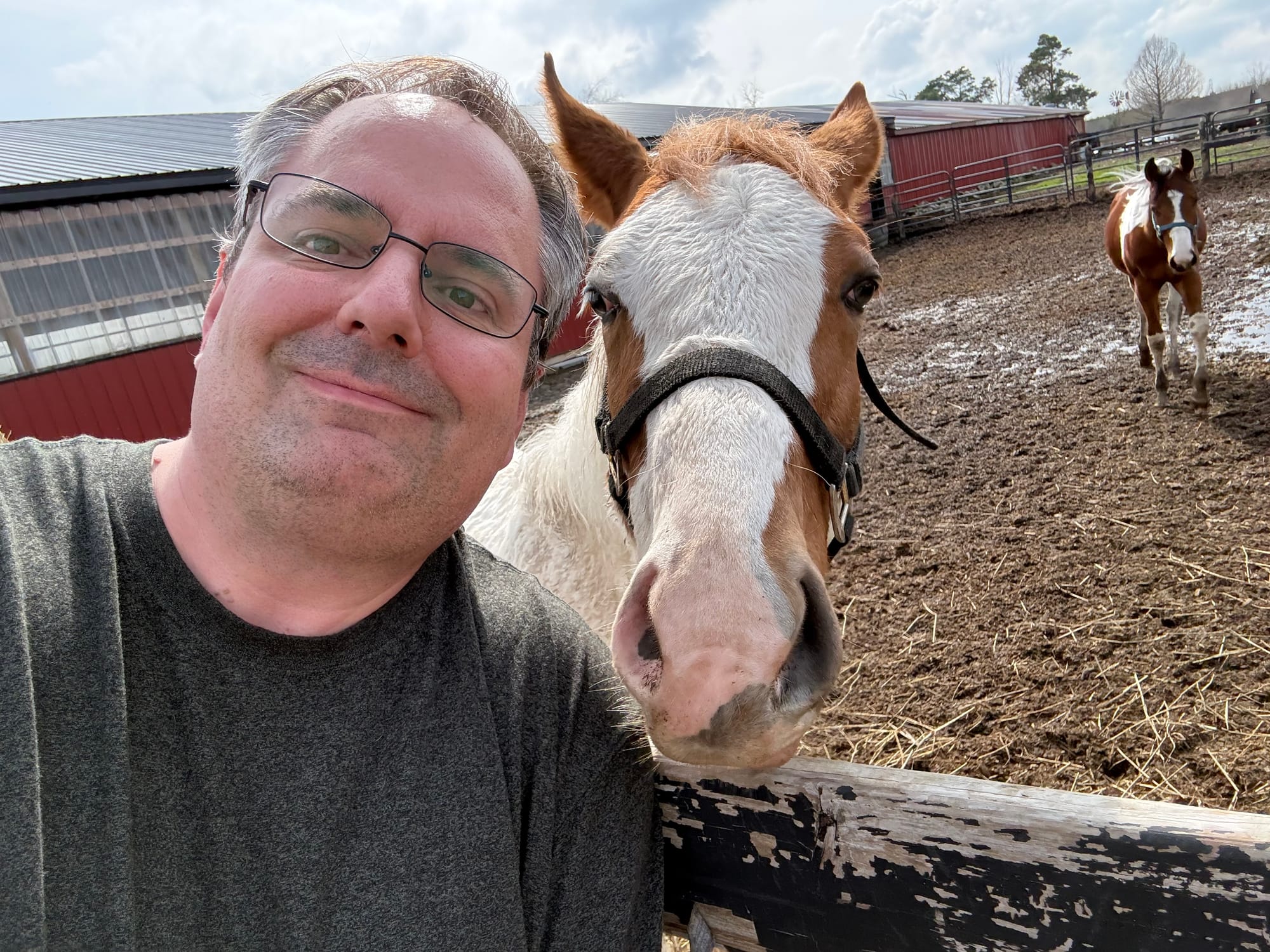
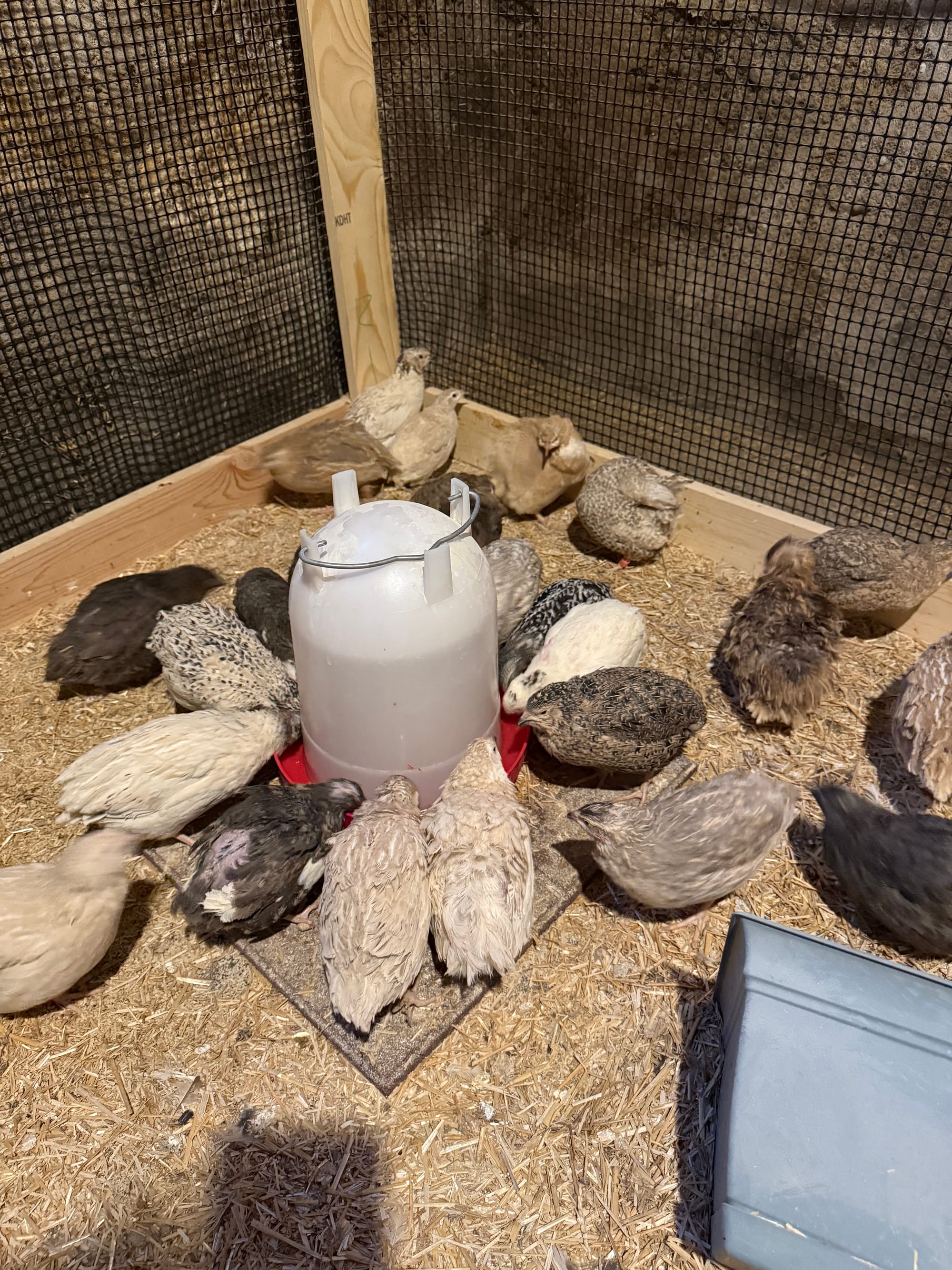
Arthur's last meal. Fiona needs cuddles. Theon is doing great! Hera loves having a hide. Bolt says hi. The quail enjoy a refreshing drink.
And unrelated to animals:
- I've gotten a bit of writing done, a bit more consistently. I'm probably one-third of the way done with Memoirs of a Literary Nobody, which is a reflection on my experiences that have shaped my approaches to writing, editing, and publishing. The Grand River Writing Tribe has been quite helpful in getting stuff done.
- We've hard-committed to the Holland Literary Festival in September. Looks like we'll have something like 80 author tables and various events in a day-long celebration of local literary excellence.
- I've gotten a bit more into tea thanks to an American-style tea ceremony at the dojo and my introduction to Chinese approaches to steeping.
- The mid-January through mid-March period was colder and wetter than in recent years. I particularly liked it; I'm a fan of seasonality, and I love winter.
- I've gotten more invested in leatherworking. In addition to restoring an old leather saddle, I've started making things. My first project was a simple keychain tag. I've done a few more (including with grommets!) and even a custom belt for Cade. Next up: an apron for tack at the barn.
- I covered it in a previous post, but I did attain the rank of sandan (third-degree black belt) in Uechi-ryu karate in February.
- Cade and I made a return visit to the Michigan Horse Expo. Always a great time, and I bought a new hat. We also went to the NARBC expo at Tinley Park again, plus the Lantern Festival at John Ball Zoo and the butterfly exhibit at Frederick Meijer Gardens.
- Cade's grandmother beat leukemia, marking her second consecutive victory against the scourge of cancer.
- I successfully re-certified for Wilderness First Responder. I was certified in 2018 in the wilds of mid-northern Quebec; this time, I was certified a 20-minute drive from home, on the Allendale campus of Grand Valley State University. Same content, different approaches between the two classes. I had a great time keeping up with our hosts – the 19-year-old e-board of GVSU's rock-climbing club. (Nothing makes you feel the impending arrival of the big Five-Oh like practicing patient-assessment and spine-stabilization drills with teenagers.)
- Since the beginning of February, circumstances have led me to serving as the primary Sunday sacristan at my parish. So, three Masses, every Sunday. I enjoy it, and welcomed the chance to serve in a special way at the Easter Vigil, which is my favorite liturgy of the year.
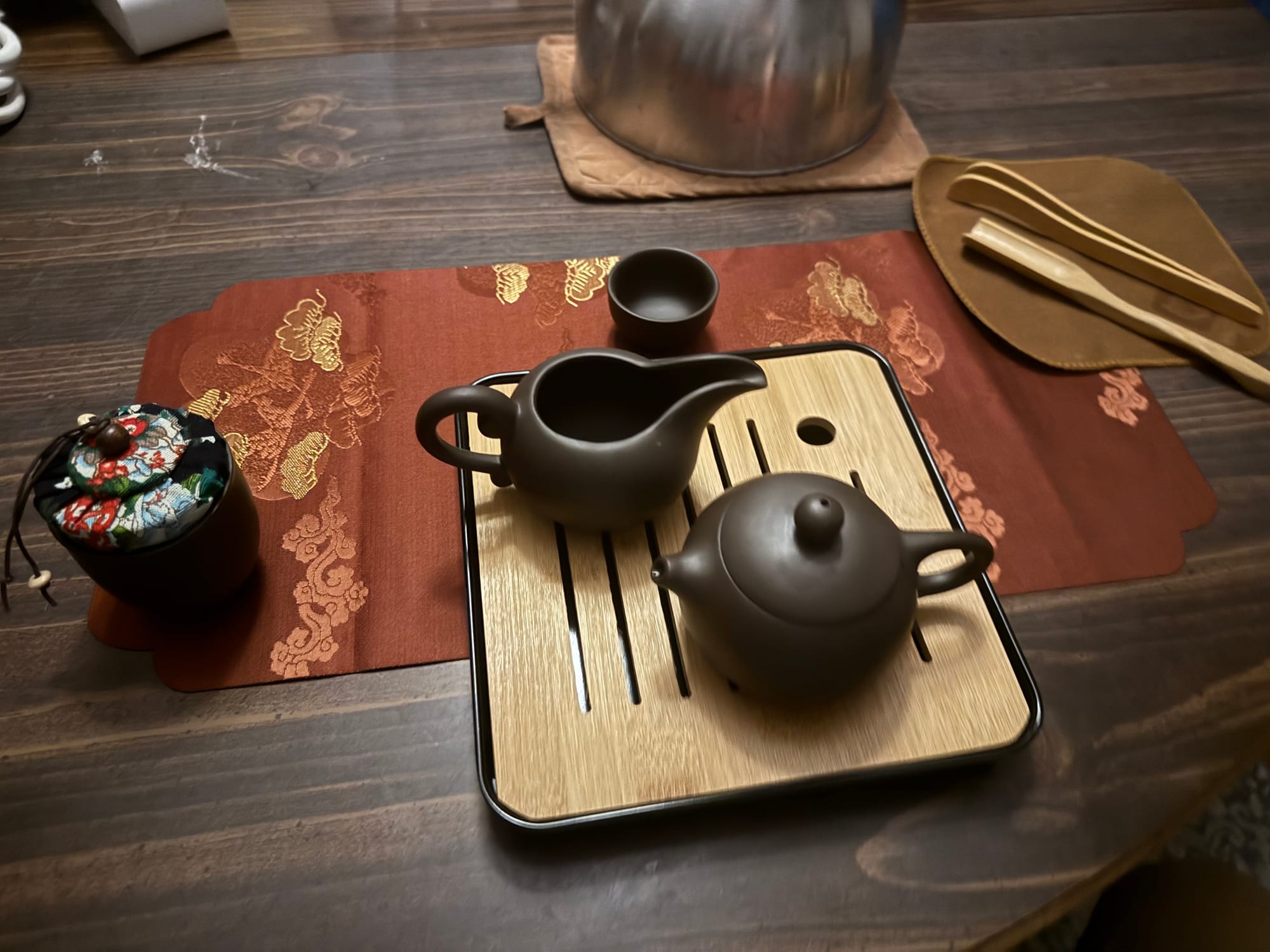
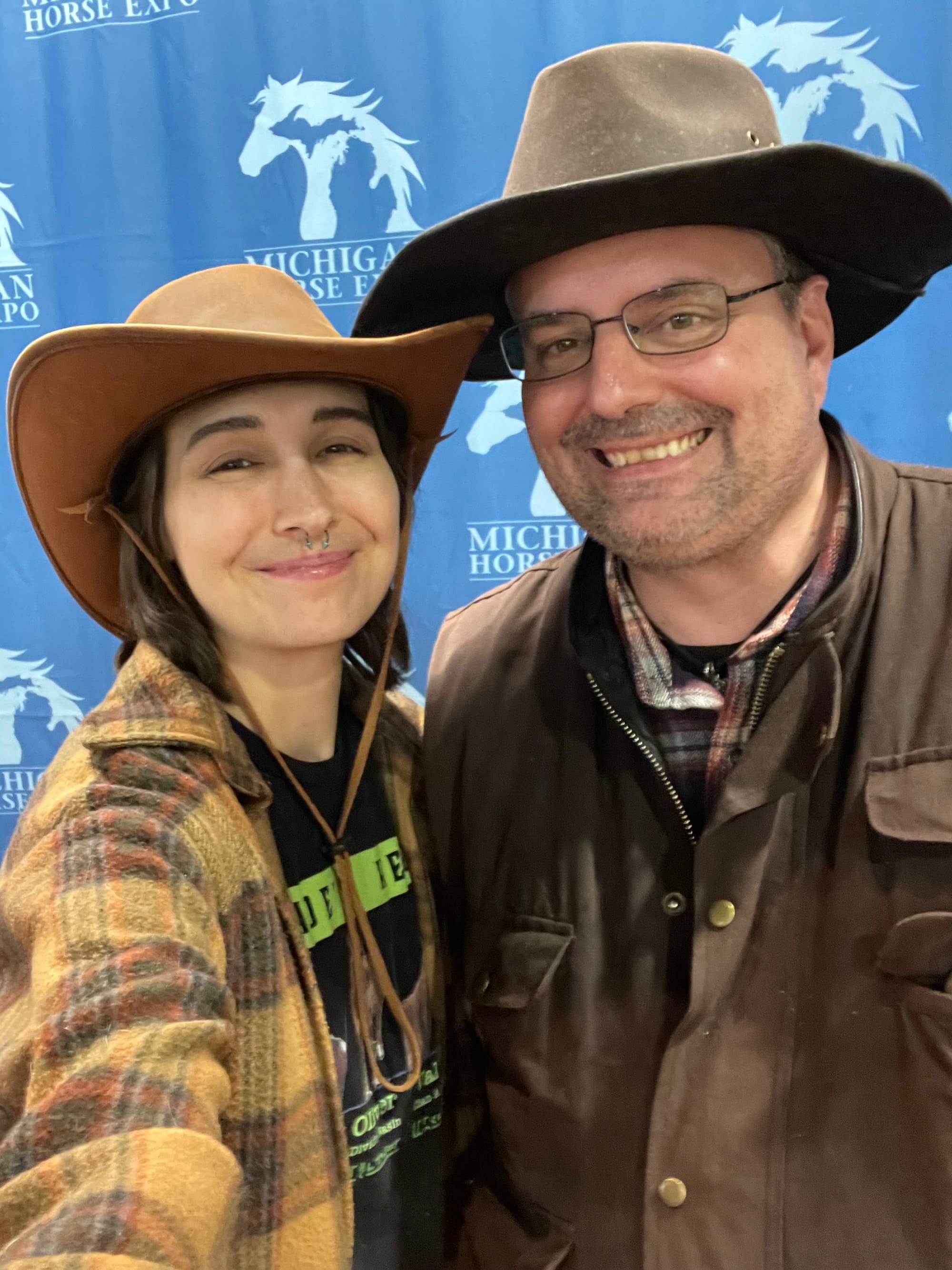
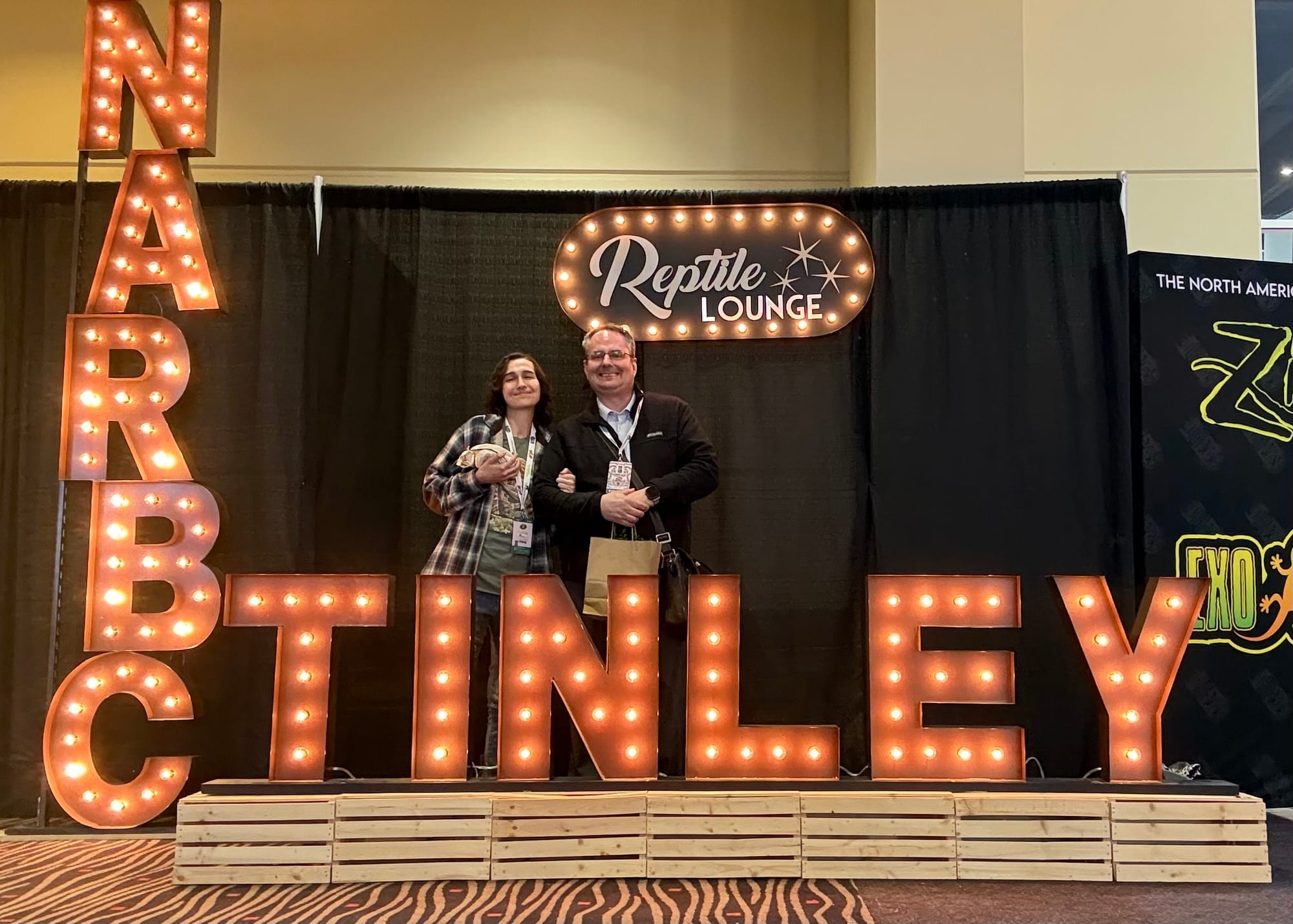
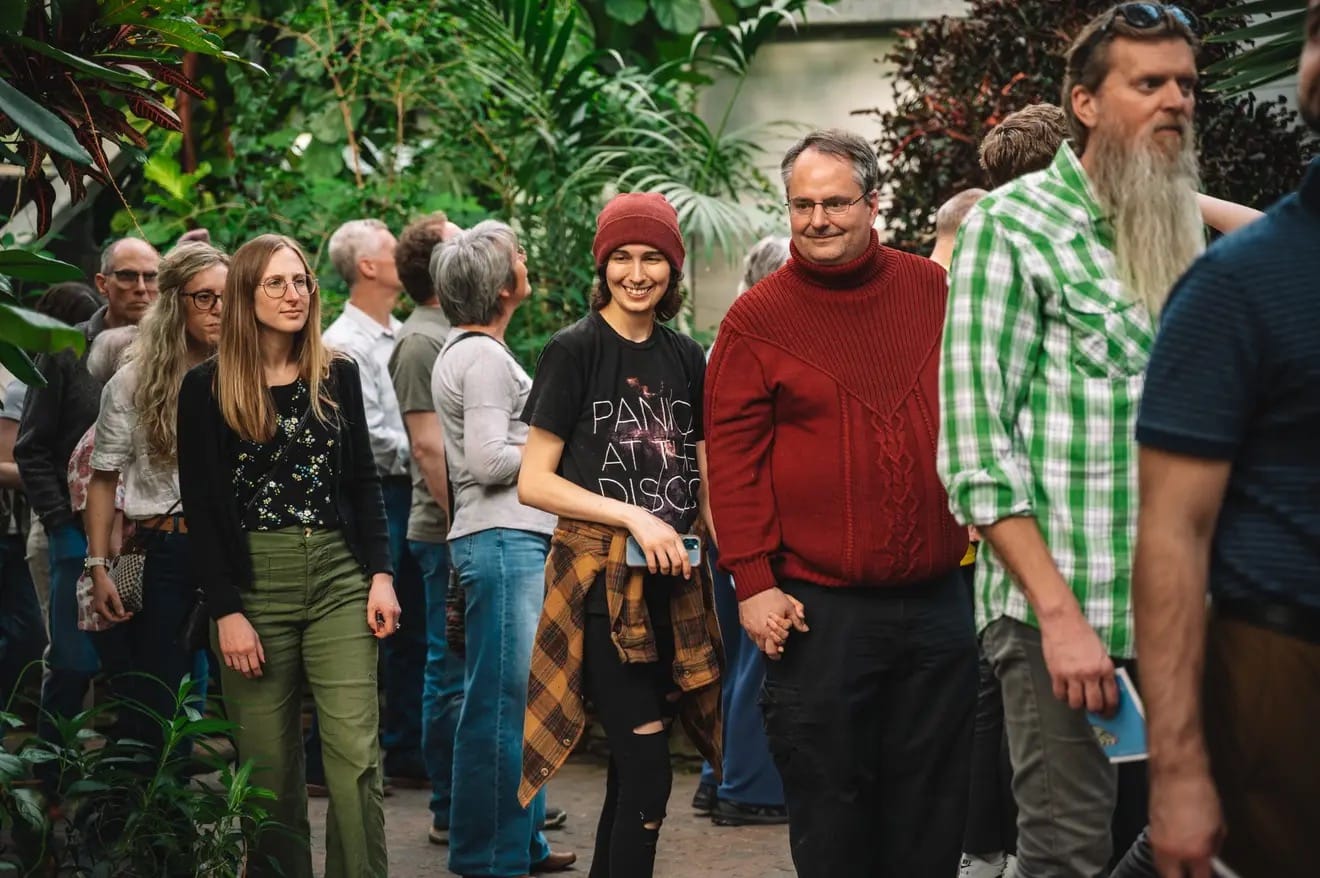
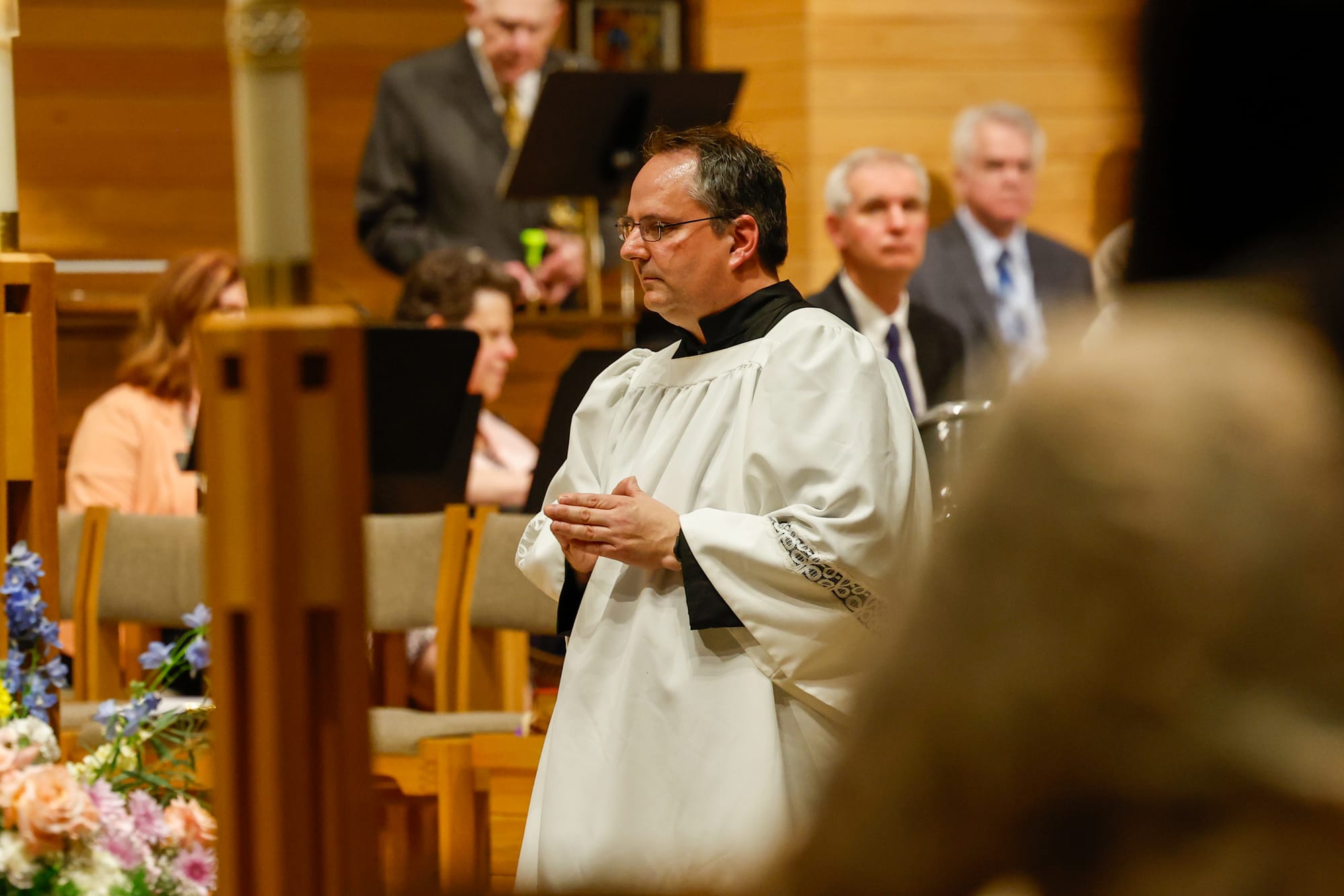
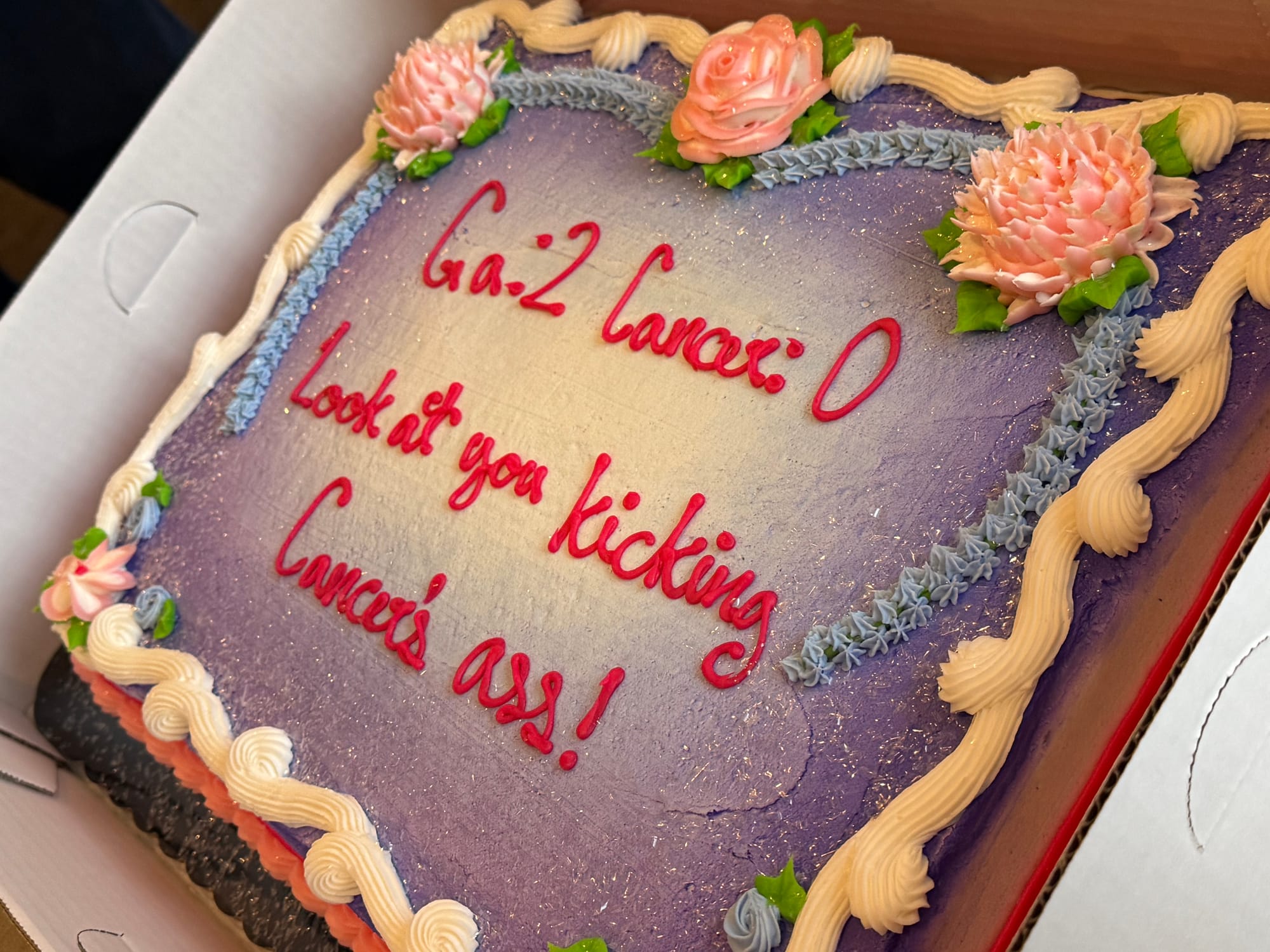
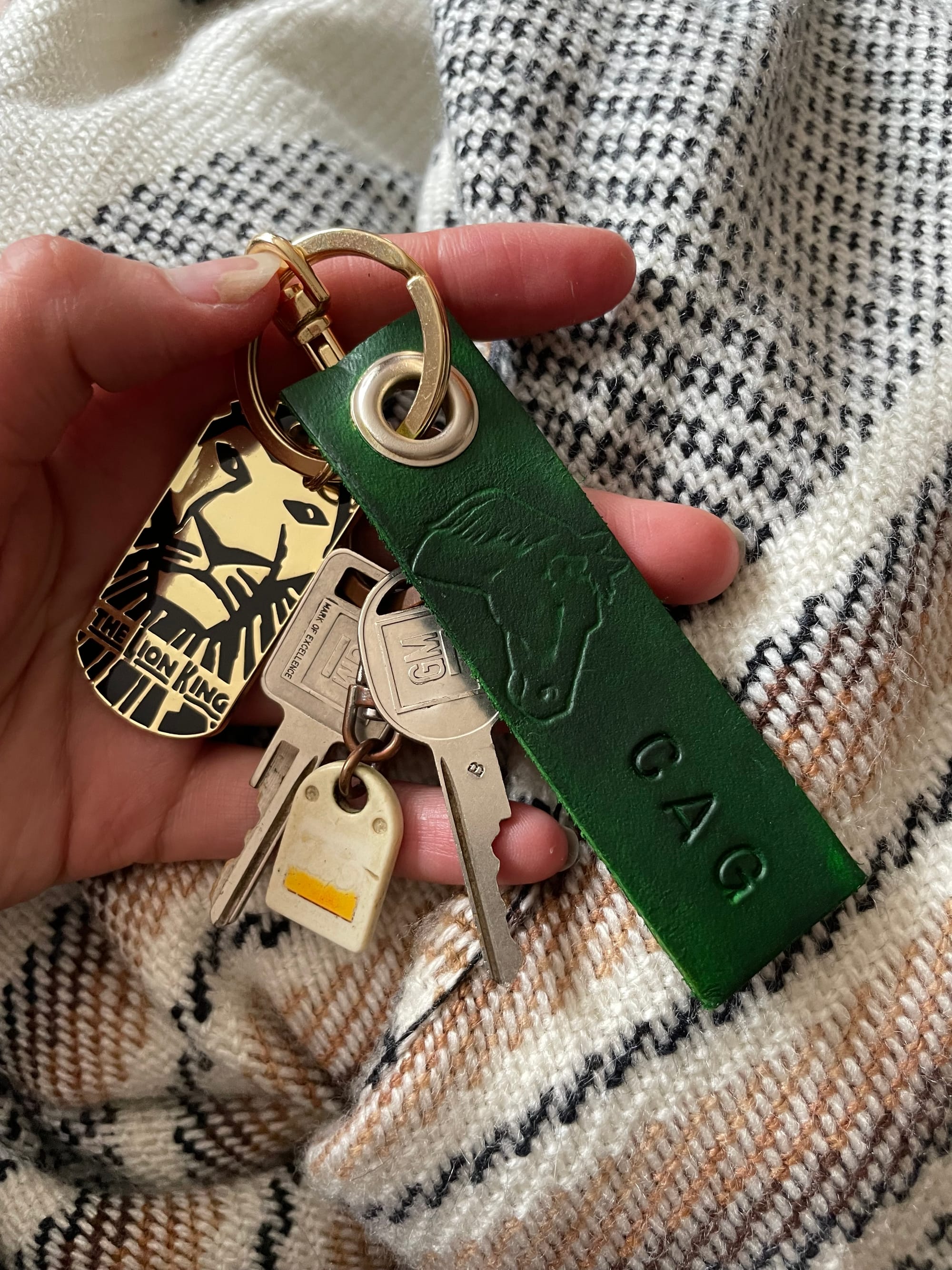
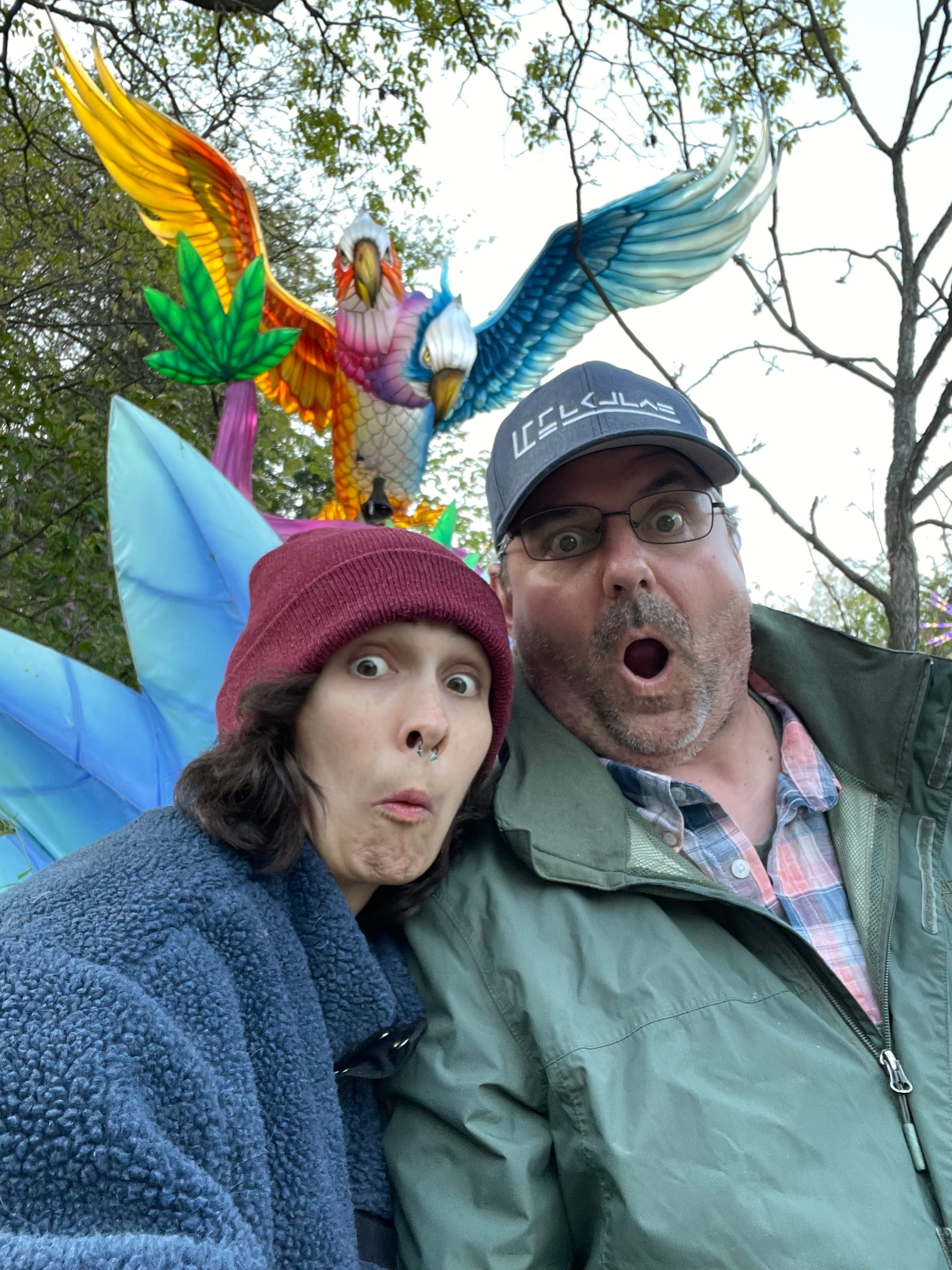
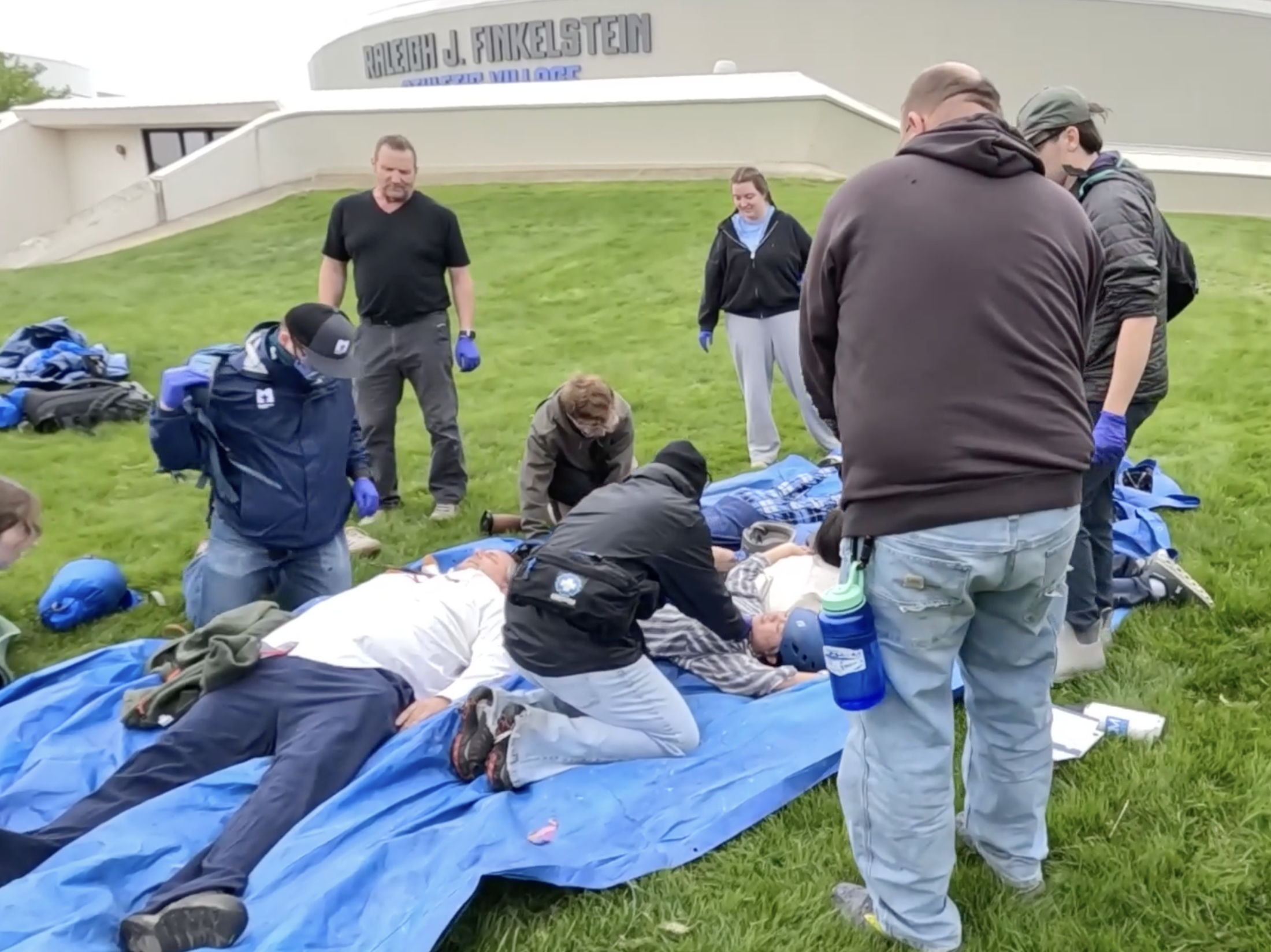
Tea, anyone? At the Michigan Horse Expo. At Tinley Park. Being watched while watching butterflies at Meijer Gardens. At the Easter Vigil. Ga lives! Cade gets a custom-made keychain. Lanterns! And watch me play the victim -- literally.
OK, friends. That's all for now. And don't forget to love.